

The war in the Middle East will have lasting effects on the energy market, as the cost of the infrastructure that was destroyed is beginning to be calculated at enormous levels, which will cause, beyond supply disruptions, persistent energy inflation, that is high prices in energy goods.
The cost of repairing and restoring energy infrastructure due to the war in the Middle East could reach $58 billion, according to analysis by Rystad Energy, with the total for oil and natural gas facilities potentially reaching $50 billion.
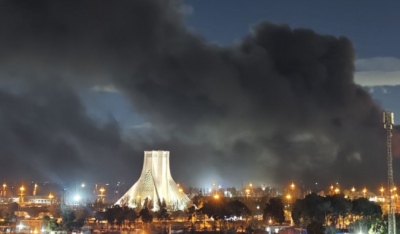
This is no longer simply a matter of damaged installations in the Gulf.
It is a stress test for the global energy supply chain, the company notes in its analysis.
The same equipment and the same contractors required for reconstruction are already committed to a wave of LNG projects and offshore investments approved since 2023.
Repairs do not create new production capacity, they redirect existing capacity, and this will be felt in project delays and inflationary pressures far beyond the Middle East.
Secondary impacts are also enormous
The $58 billion is the headline, but the secondary effects on global energy investment timelines may prove equally significant.
Karan Satwani, senior supply chain analyst at Rystad Energy, notes that three weeks after the initial estimate of $25 billion, the scope of the damage has increased significantly.
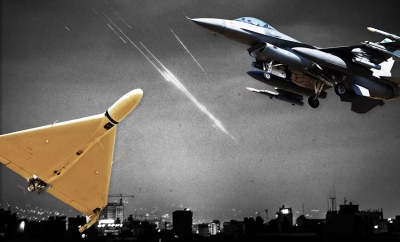
The continuation of military strikes increased the number of affected installations, before the situation stabilized somewhat after the ceasefire of 8 April between the United States and Iran.
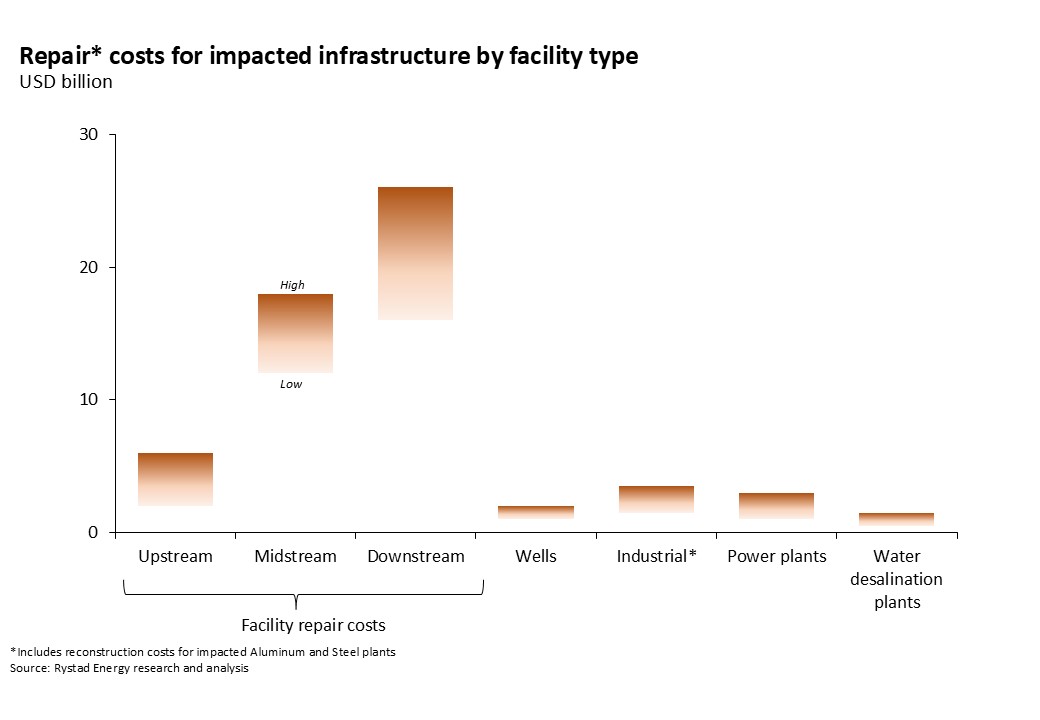
Thus, the average estimate of total restoration spending now amounts to $46 billion, range $34–58 billion, of which about $5 billion concerns industrial, energy and desalination units.
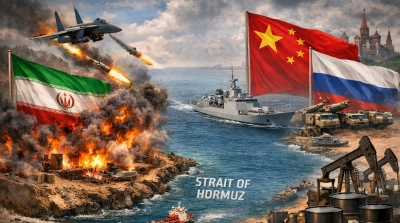
The fragile ceasefire, delayed negotiations and the risk of renewed escalation continue to affect the environment, along with the risk of disruptions to shipping through the Strait of Hormuz.
Different recovery timelines - It takes not only money, but someone to do the work
The broader extent of the damage changes the recovery approach.
The main problem is not the availability of capital, but access to equipment, contractors and logistics.
Recovery timelines diverge between installations and countries, depending on domestic capabilities and access to supply chains.
At the same time, repair work is expected to displace new projects as companies prioritize restoring existing production rather than new investments.
Different trends are already observed, installations with limited damage returned to operation within weeks, while others requiring reconstruction of core units are still in early stages of assessment, with timelines extending to years.
Cost estimate
Rystad Energy estimates that total repair costs range between $34 and $58 billion.
1) The “low” scenario assumes limited damage and quick repairs.
2) The “high” scenario includes severe structural destruction, the need to replace critical systems, delays and increased costs due to war, insurance, logistics etc.
The largest share of spending concerns refineries and petrochemical installations, due to their complexity.
Transport and extraction infrastructure follows, while a smaller but significant portion concerns drilling and industrial facilities.
Overall, the oil and gas sector is estimated to require $30–50 billion, while other infrastructure, aluminium, steel, electricity, desalination, adds $3–8 billion.
Iran and Qatar suffered the greatest blow
At the country level, Iran shows the greatest damage, with a potential cost of up to $19 billion.
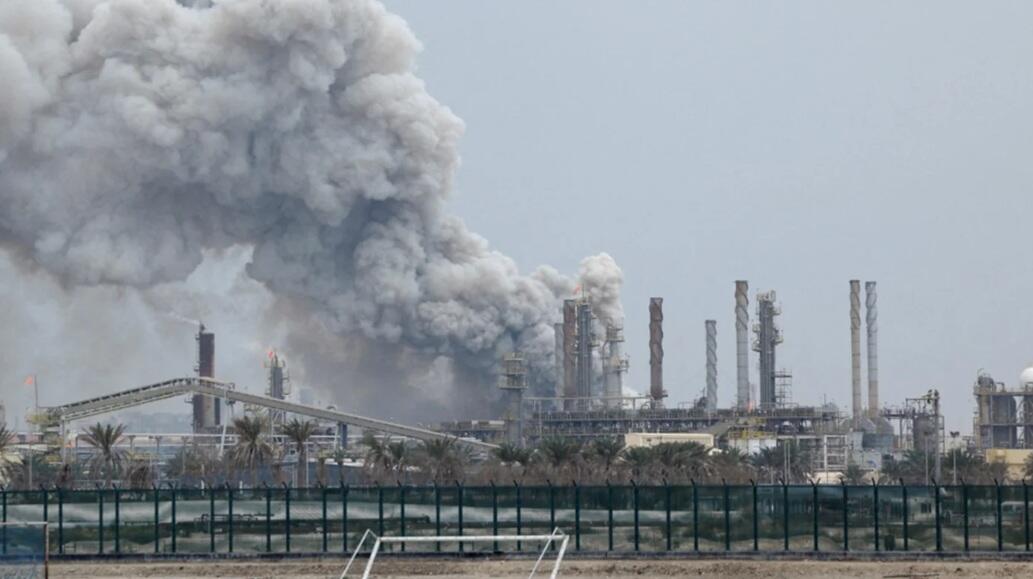
The main impacts are identified in the South Pars gas processing facilities in Asaluyeh, in the Pars industrial zone and in the Mahshahr petrochemical complex.
Damage to refineries, fuel storage facilities in Tehran and export infrastructure in Lavan and Siri Island has limited domestic distribution and exports.
Restoration in Iran will be slower due to limited access to Western contractors, technology and equipment.
Qatar presents a different picture, the damage is more concentrated but technically more complex, mainly in Ras Laffan Industrial City and in LNG units. This coincides with the expansion of the North Field, creating competition for resources between new projects and repairs, which may cause delays.
??????????GULF WAR DRIVES $58B REBUILD BILL - STRAINS GLOBAL EQUIPMENT AND SUPPLY CHAINS
— THE GLOBAL WATCHDOG (@glwatchdog) April 18, 2026
The recent conflict across the Gulf is expected to generate a reconstruction burden of roughly $55–60 billion, with damage concentrated in energy infrastructure, logistics corridors, and… pic.twitter.com/wyBiGBuSVN
Costs are concentrated in construction and equipment
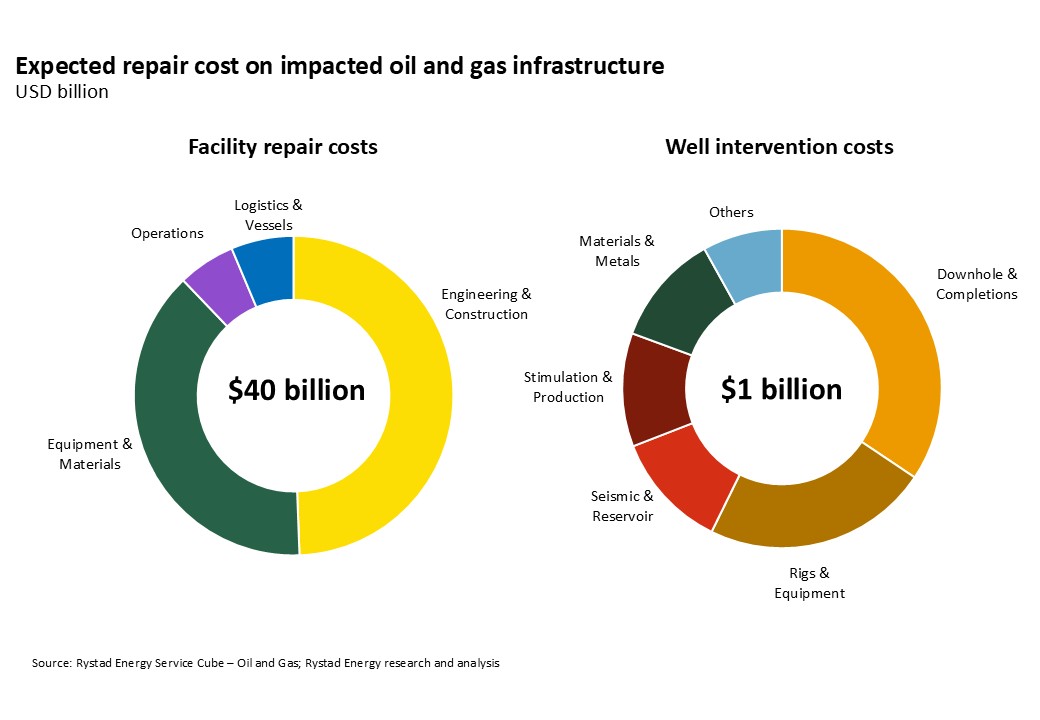
Engineering and construction work account for the largest part of the cost, followed by equipment and materials.
The execution sequence matters, studies progress quickly, but delays in equipment procurement determine the overall recovery time.
Thus, the speed of recovery depends not so much on on site labor, but on access to constrained supply chains.
Competition for resources
What is emerging is not simply a reconstruction program, but a competition for access, to equipment, contractors and logistics.
Those who move quickly will secure resources and reduce delays, the rest will face longer delays than the damage itself suggests.
In other words, recovery will be determined less by the scale of destruction and more by access to constrained resources of the global supply chain.
Trump’s deals with the Persian Gulf countries
The administration of Donald Trump has informed several Gulf states that they should use American companies to rebuild infrastructure damaged by Iranian retaliation, in the context of the American Israeli war against Iran, according to American and Arab officials familiar with the discussions who spoke to Middle East Eye.
Kuwait, Bahrain and the United Arab Emirates are among the countries that the United States considers potential clients for American engineering, industrial and construction companies, due to the extent of the damage they suffered.
Saudi Arabia and Oman have been less affected by Iranian air strikes.
In their statements, American officials emphasize the importance of economic cooperation between the United States and Gulf countries for reconstruction.
One American official said that promoting American companies is part of the America First strategy, which emphasizes the economic dimension of foreign policy.
However, an Arab official described the initiative as “somewhat out of place and time”, as Gulf countries remain concerned about a possible resumption of hostilities and cautious regarding the commitment of the United States to regional security.
The pressure from the Trump administration is not merely symbolic
The Iranian government estimates that its economy suffered total direct and indirect damages of $270 billion.
The Gulf monarchies generally opposed the war against Iran, but bore the main burden of retaliation.
The United Arab Emirates, for example, was targeted by at least 2,000 ballistic missiles and drones.
The countries that suffered the greatest damage are also those that depend most on the Strait of Hormuz, unlike Saudi Arabia, which has a pipeline that bypasses the strait via the Red Sea.
Although Gulf states have significant financial resources for reconstruction, there are indications of concern about possible long term economic slowdown.
Kuwait has one of the largest sovereign wealth funds in the world, worth about $1 trillion, comparable to those of the United Arab Emirates and Saudi Arabia, although less publicized.
Currency swap lines and the dollar
The US Treasury Secretary Scott Bessent stated that the United Arab Emirates and other Persian Gulf states are considering currency swap line agreements with the United States, so that they have access to dollars while their energy exports remain limited.
“I could see the United States asking for concessions, such as a commitment from Gulf countries to use American companies for reconstruction”, said a former American official.
Related report by BN here
Kuwait, located at the northeastern edge of the Gulf, was also severely affected.
It hosts the fourth largest presence of American troops globally, and Iranian strikes hit both Camp Arifjan and Ali al-Salem base.
At the same time, Kuwait International Airport suffered significant damage, while at least two major power generation and desalination units were also hit.
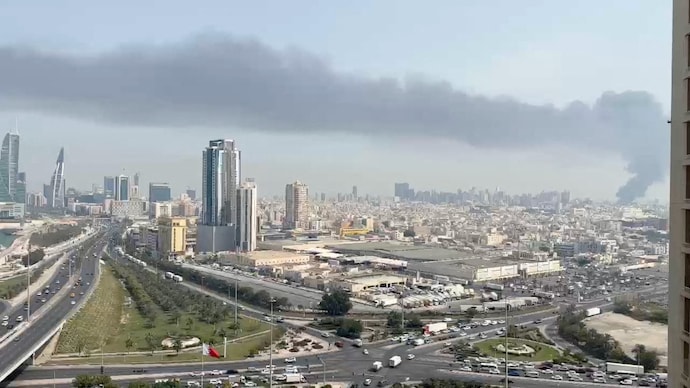
A similar situation occurred in Bahrain, a small island kingdom connected by road only to Saudi Arabia via the King Fahd bridge.
Its port, where the US Fifth Fleet is stationed, received heavy strikes, as did key industrial installations.
According to the Financial Times, Amazon cloud infrastructure in Bahrain was also hit, while Aluminium Bahrain , one of the largest aluminum production units in the world, was forced to declare force majeure and cancel contracts.
The same was done by the Bapco refinery after the attacks.
American and Arab officials note that the United States has not yet promoted specific companies, but seeks to position American businesses at the forefront of reconstruction.
www.bankingnews.gr



Σχόλια αναγνωστών